31 березня 2022 року – звільнення Бучі від московських окупаційних військ
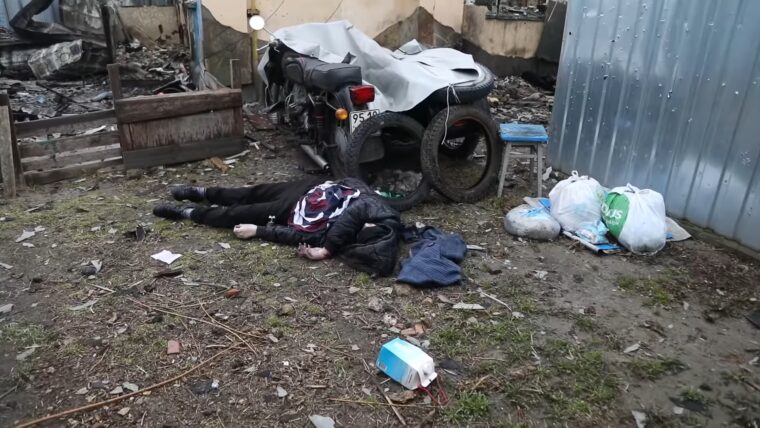
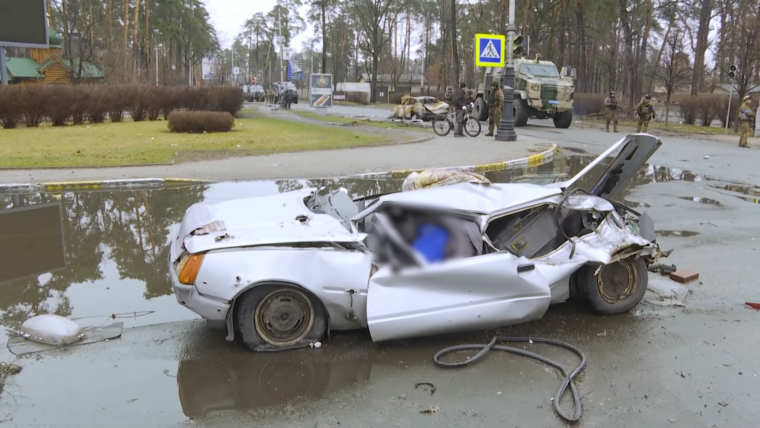
Під час російської окупації Бучі, яка тривала з кінця лютого до початку квітня 2022-го, в місті сталися масові воєнні злочини, що шокували світ. Російські вбивці влаштували терор проти мирного населення – людей розстрілювали прямо на вулицях, катували, знущалися та мародерили.
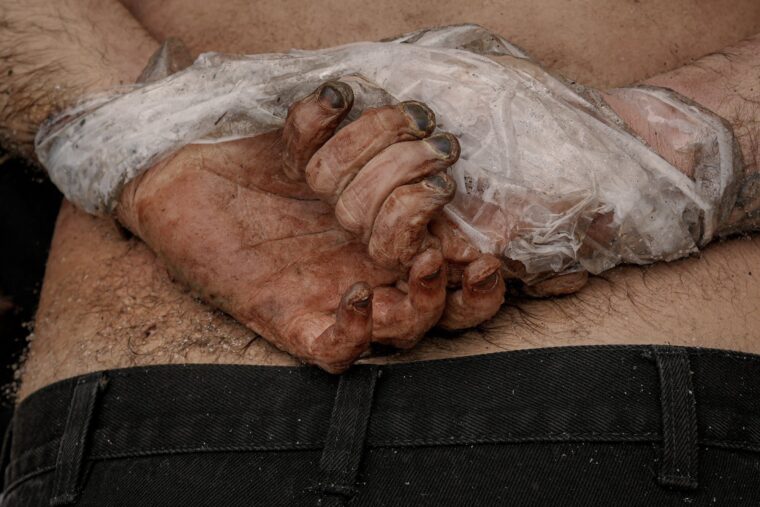
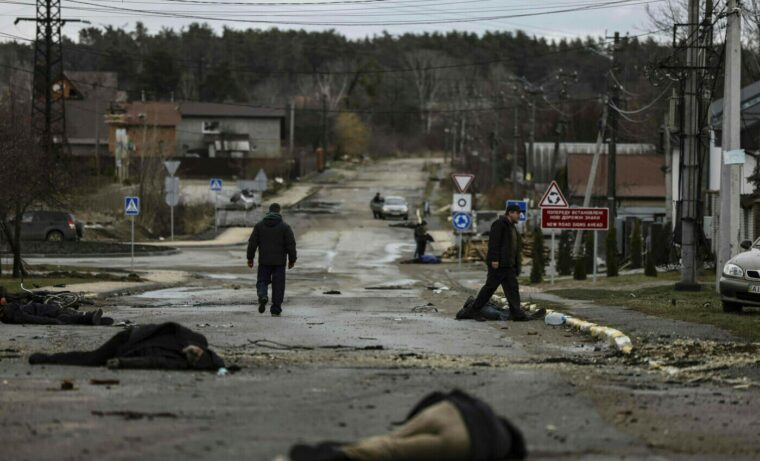
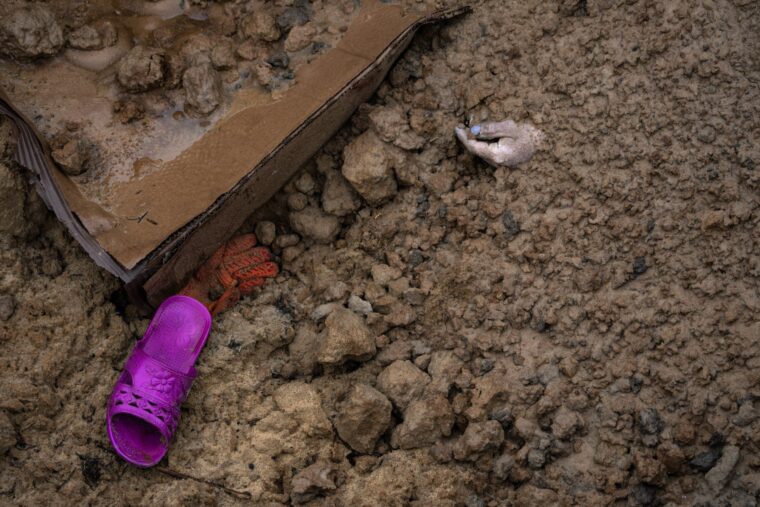
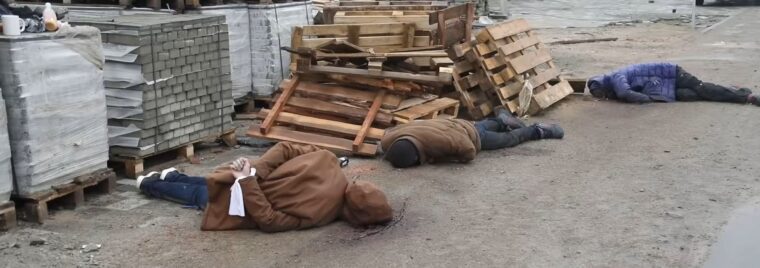
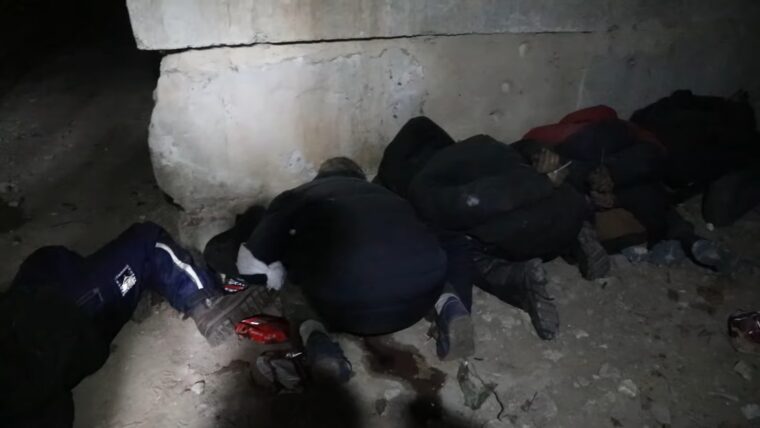
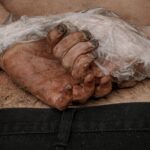
Після звільнення Бучі українськими військовими на вулицях і в братських могилах знайшли сотні тіл цивільних. Багатьох вбитих знаходили зі зв’язаними руками і пострілами в голову – це свідчило про страти.
Масові вбивства у Бучі підтвердили розслідування міжнародних організацій, а Україна та світова спільнота наполягають на покаранні винних у цих злочинах. Злочини рф в Бучі на початку вторгнення стали одними з перших доказів того, що росія веде війну не лише проти української армії, а й проти мирних людей.
Родина Патківських застала 24 лютого в рідному домі на розі вулиці Франка в Бучі. Василь, Ганна, їхня донька Тетяна і онучка Саша, якій тоді ще не було двох років, пережили окупацію і погрози росіян, втратили будинок і залишилися без сусідів – їх вбили московити.
“От хата стоїть, а людей немає. І там людей немає, і тут людей немає. Тут троє розстріляли, там двоє, тут троє, четверо. Чотири – прямо навпроти нас”, – каже Ганна Патківська.
Одними з сусідів Патківських була родина Шепіло. Мама – заслужена вчителька. Син співав у церковному хорі. Росіяни їх жорстоко вбили ні за що. Коли знайшли їхні тіла, з’ясувалося, що вчителька залишилася без руки по лікоть. У всіх були кульові поранення, а тіла спалили. В іншому будинку неподалік мешкали літні люди, порядні пенсіонери, які тримали господарство. Їх вбили та кинули в рівчак.
За інформацією Генеральної прокуратури України, у Бучі за час окупації було вбито 637 цивільних. Ексгумували 422 тіла, а по всьому Бучанському району – 1173. 278 жителів Київської області вважаються зниклими безвісти.
Тепер про Бучу знає весь світ. Хоч це і досі невелике місто поблизу Києва, та події в Бучі змінили хід війни. Воєнні злочини росіян, скоєні в місті, змотивували українців ще дужче боротися за людей, домівки та країну проти ворога на полі бою.
Bucha massacre
As part of the 2022 invasion of Ukraine, the Russian military entered Ukraine from Belarus. One of the initial moves was a push towards the Ukrainian capital Kyiv, as part of which a huge column of military vehicles moved south towards the city. On 27 February 2022, Russian advance forces moved into the city of Bucha, making it one of the first outlying areas of Kyiv taken by Russian forces. According to Ukrainian military intelligence, Russian forces occupying Bucha included the 64th Motor Rifle Brigade, headed by Lieutenant Colonel Azatbek Omurbekov, a part of the 35th Combined Arms Army.
Photographic and video evidence of the massacre emerged on 1 April 2022, after Russian forces withdrew from the city.
Testimonies had been emerging since early March.
According to local authorities, 458 bodies have been recovered from the town, including nine children under the age of 18. Among the victims, 419 people were killed with weapons and 39 appeared to have died of natural causes, possibly related to the occupation.
A memorial wall was installed in Bucha with 501 names of killed residents. The UN High Commissioner for Human Rights documented the unlawful killings, including summary executions, of at least 73 civilians in Bucha. Photos showed corpses of civilians, lined up with their hands bound behind their backs, shot at close range.
An inquiry by Radio Free Europe reported the use of a basement beneath a campground as a torture chamber. Many bodies were found mutilated and burnt, and girls as young as fourteen reported being raped by Russian soldiers. In intercepted conversations, Russian soldiers referred to these operations involving hunting down people in lists, filtration, torture, and execution as zachistka (“cleansing”). Ukraine has asked the International Criminal Court to investigate what happened in Bucha as part of its ongoing investigation of the invasion to determine whether a series of Russian war crimes or crimes against humanity were committed. The massacre was described by Ukrainian President Volodymyr Zelenskyy as genocide.
Russian authorities have denied responsibility and instead claimed that Ukraine faked footage of the event or staged the killings itself as a false flag operation, and have claimed that the footage and photographs of dead bodies were a “staged performance”. These assertions by Russian authorities have been debunked as false by various groups and media organisations. Additionally, eyewitness accounts from residents of Bucha said that the Russian troops carried out the killings. Human Rights Watch released a report finding Russian Armed Forces guilty of summary executions, unlawful killings, enforced disappearances, and torture.
After the Russian withdrawal
Journalists entering the city discovered the bodies of more than a dozen people in civilian clothes. Fedoruk said that these individuals had all been shot in the back of the head. Corpses of other killed civilians were left on the road. Ukrainian officials said the women had been raped and their bodies burnt. A report published by The Kyiv Independent included a photo and information about one man and two or three naked women under a blanket whose bodies Russian soldiers had tried to burn on the side of a road before fleeing. The photos show that Russian forces had singled out and killed Ukrainian civilian men in an organised fashion, with many bodies found with their hands tied behind their backs. Many of the victims appeared to have been going about their daily routines, carrying shopping bags. Other footage showed a dead man next to a bicycle.
CNN, the BBC, and AFP released video documentation of numerous dead civilians in the streets and yards in Bucha, some of them with tied arms or legs. On 2 April, an AFP reporter stated he had seen at least 20 bodies of male civilians lying in the streets of Bucha, with two of the bodies having tied hands. BBC News said that some had been shot in the temple and some bodies had been run over by a tank. On 5 April Associated Press journalists saw charred bodies on a residential street near a playground in Bucha, including one with a bullet hole in the skull, and a burned body of a child. On the same date, The Washington Post reported that Ukrainian investigators found evidence of torture, beheading, mutilation, and incinerations of corpses. The body of at least one of those killed was mined and turned into a trap with tripwires. Villagers who were asked to help identify a beheaded body reported that drunken Russian soldiers told them of carrying out sadistic acts against Ukrainians.
By 9 April, Ukrainian forensic investigators had begun recovering bodies from mass graves, such as at the church of Andrew the Apostle. On 21 April, Human Rights Watch published an extensive report that summarised their own investigation in Bucha, implicating Russian troops in summary executions, other unlawful killings, enforced disappearances, and torture. It also urged Ukrainian authorities to preserve evidence and cooperate with the International Criminal Court to bolster future war crime prosecutions. By 24 April, The Guardian reported that dozens of bodies had flechettes in them. Unnamed eyewitnesses in Bucha had previously reported the firing of flechette rounds by Russian artillery, using shells that carry up to 8,000 flechettes each, according to The Guardian. The use of such indiscriminate weapons in areas with civilians is a violation of humanitarian law.